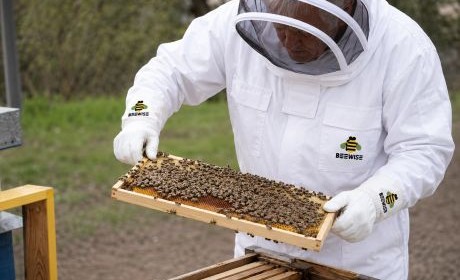
How to Install a Nuc: Step-by-Step Nucleus Hive Guide
How to install a Nuc into a full-depth hive — what to prepare, moving the frames, feeding, and the first inspection. A practical guide for Australian beekeepers.
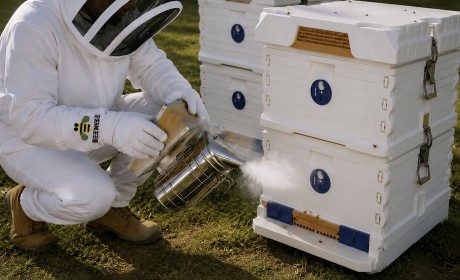
Best Bee Smoker Use: Lighting, Fuel & Calming Bees
A bee smoker is the single most useful tool for keeping calm, controlled hives. A few puffs of cool smoke before you open up, and the colony settles — making the inspection safer for you and gentler on the bees. This guide covers the lot: why smoke works, how to choose and light a smoker, the best fuel, how to use it during an inspection, and how to do it safely (which matters a great deal in an Australian summer).
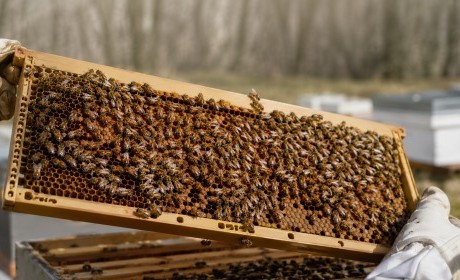
Can't Find the Queen? A Beekeeper's Guide to Spotting HRH in the Hive
Can't find the Queen? You're trying to pick one bee out of tens of thousands — and she's hiding. Here's how to spot HRH faster, read the bees around her, and confirm a Queenright hive even when she won't show herself.
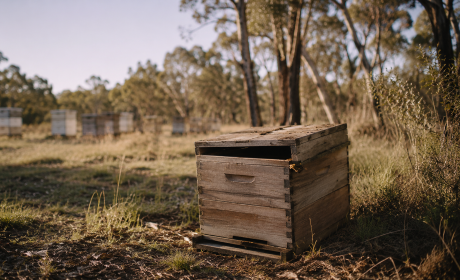
What to Do With a Dead Beehive: Handling a Dead-Out and Saving What You Can
Found a dead beehive in your apiary? What you do next depends entirely on what killed it. Here's how to salvage what's worth saving and safely deal with the rest.
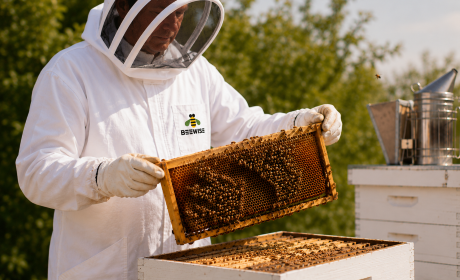
Is Your Hive Queenright? How to Spot a Queenless Colony Before It Collapses
A Queenless hive rarely sorts itself out — it just quietly fades. The trick is catching it early. Here are the six signs that tell you your colony has lost its Queen, what each one really means, and the two ways to bring the hive back from the brink.
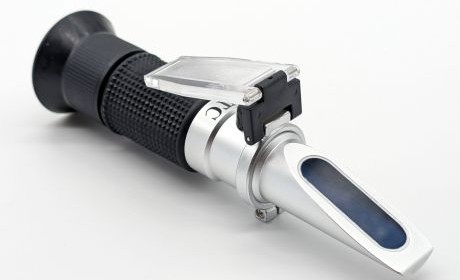
Honey Refractometer Use and Calibration
A refractometer measures the degree that light, passing through a solution, is refracted (bent). The amount light is refracted depends on the concentration of water in the honey being measured.

Beekeeping Glossary
ABDOMEN The posterior or third region of the body of the bee that encloses the honey stomach, stomach, intestines, sting and the reproductive organs.
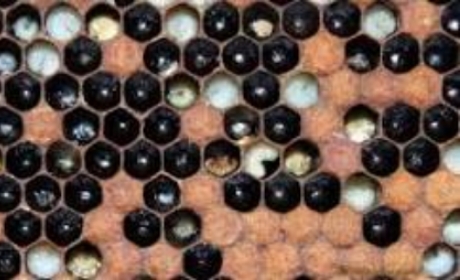
How To Treat European Foulbrood in Honey Bees
Part of being a successful beekeeper is learning how to identify, prevent, and treat a wide range of diseases. Honey bees face many threats from viruses, parasites, and other disease-spreading organisms.
Keeping Ants Out of Your Beehive
Ants can be a persistent problem for beekeepers. These tiny insects are attracted to the delicious resources found in beehives, like honey, pollen and protein. Even spilled syrup can attract them.
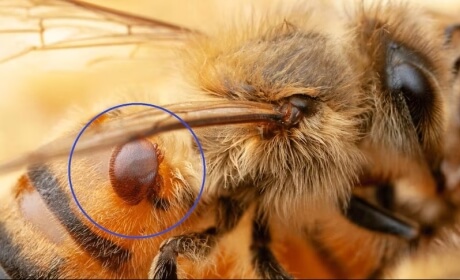
Autumn Varroa Oxalic Acid Treatment
As beekeepers, we understand the critical role that mite control plays in maintaining healthy and thriving honeybee colonies. Varroa destructor mites, in particular, pose a significant threat to our beloved pollinators. Fortunately, there are various methods and treatments available to manage mite infestations effectively.